



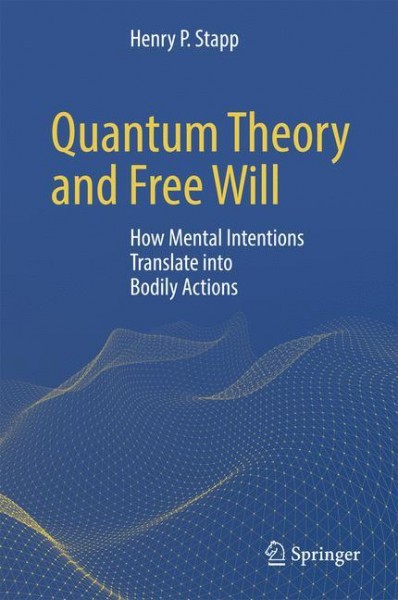
Quantum Theory and Free Will
Kurzinformation


 Handgeprüfte Gebrauchtware
 Schnelle Lieferung
 Faire Preise
inkl. MwSt. Versandinformationen
Artikel zZt. nicht lieferbar
Artikel zZt. nicht lieferbar

Beschreibung
This book explains, in simple but accurate terms, how orthodox quantum mechanics works. The author, a distinguished theoretical physicist, shows how this theory, realistically interpreted, assigns an important role to our conscious free choices. Stapp claims that mainstream biology and neuroscience, despite nearly a century of quantum physics, still stick essentially to failed classical precepts in which mental intentions have no effect upon our bodily actions. He shows how quantum mechanics provides a rational basis for a better understanding of this connection, even allowing an explanation of certain phenomena currently held to be "paranormal". These ideas have major implications for our understanding of ourselves and our mental processes, and thus also for the meaningfulness of our lives. von Stapp, Henry P.
Produktdetails

So garantieren wir Dir zu jeder Zeit Premiumqualität.
Entdecke mehr vom Verlag


