


House of Maskati
Kurzinformation


 Handgeprüfte Gebrauchtware
 Schnelle Lieferung
 Faire Preise
inkl. MwSt. Versandinformationen
Artikel zZt. nicht lieferbar
Artikel zZt. nicht lieferbar

Beschreibung
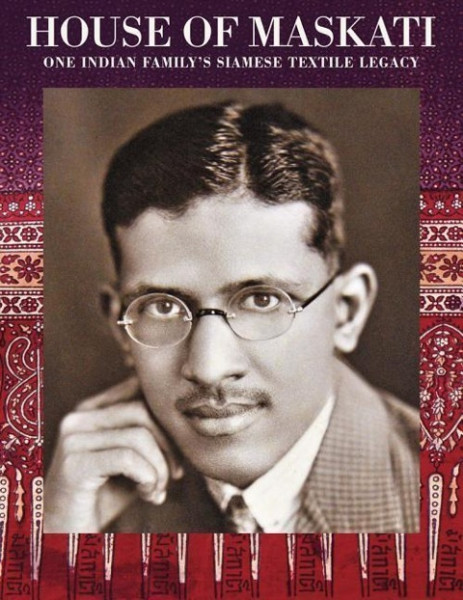
-Lavishly illustrated, this is the first major work chronicling the biggest producers of block-printed cloth from India to Siam -Chronicles a unique textile legacy, weaving together pan-Asian cultural threads and shifting patterns of trade over five generations and 160 years House of Maskati chronicles a unique textile legacy, weaving together pan-Asian cultural threads and shifting patterns of trade over five generations and 160 years. The story begins in 1856, when Abdul Tyeb Maskati started a small business exporting block-printed cloth from India to Siam (as Thailand was then known). Before long, the cloth was being made to order, with Indian block-makers carving intricate designs especially for the Siamese market. Known as saudagiri in India and pha lai in Siam, this unique art form blends South Asian and Southeast Asian artistry and design. As one of its first and biggest producers, the Maskati firm expanded from Siam to Singapore, Cambodia, and Burma, and the name 'Maskati' became synonymous in Southeast Asia with this type of block-printed cloth. After consolidating his initial legacy, the descendants of Abdul Tyeb Maskati responded to diminishing opportunities in the pha lai market by diversifying their trade networks, products, and expertise. Under the leadership of his grandson, Abdultyeb Maskati (pictured on the cover), the family firm was transformed and extended its reach as far afield as Japan. Later still, after years of prudence under challenging political circumstances across the region, the business was transformed once more. Today, it continues with his great-great-grandsons at the helm and is run as two separate entities in India and Thailand - a geographical legacy of his initial idea to ship textiles from India to Siam 160 years ago. von Rooney, Sarah
Produktdetails

So garantieren wir Dir zu jeder Zeit Premiumqualität.


