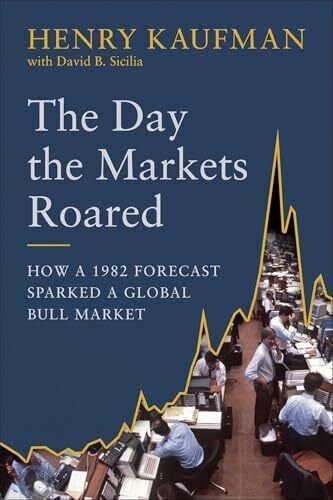

Bubbles, Booms, and Busts
Kurzinformation


 Handgeprüfte Gebrauchtware
 Schnelle Lieferung
 Faire Preise
inkl. MwSt. Versandinformationen
Artikel zZt. nicht lieferbar
Artikel zZt. nicht lieferbar

Beschreibung
This book deals at some length with the question: Since there are many more poor than rich, why don't the poor just tax the rich heavily and reduce the inequality? In the 19th century and the first half of the 20th century, the topic of inequality was discussed widely. Ending or reducing inequality was a prime motivating factor in the emergence of communism and socialism. The book discusses why later in the 20th century, inequality has faded out as an issue. Extensive tables and graphs of data are presented showing the extent of inequality in America, as well as globally. It is shown that a combination of low taxes on capital gains contributed to a series of real estate and stock bubbles that provided great wealth to the top tiers, while real income for average workers stagnated. Improved commercial efficiency due to computers, electronics, the Internet and fast transport allowed production and distribution with fewer workers, just as the advent of electrification, mechanization, production lines, vehicles and trains in the 1920s and 1930s produced the same stagnating effect.
Produktdetails

So garantieren wir Dir zu jeder Zeit Premiumqualität.
Entdecke mehr vom Verlag