


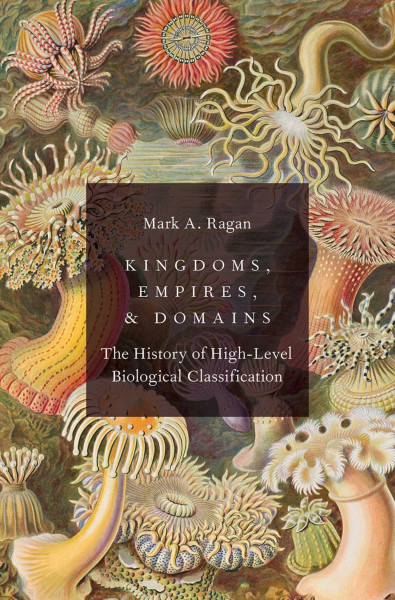
Kingdoms, Empires, and Domains: The History of High-Level Biological Classification
Kurzinformation

 Handgeprüfte Gebrauchtware
 Schnelle Lieferung
 Faire Preise
inkl. MwSt. Versandinformationen
Lieferzeit 1-3 Werktage
Lieferzeit 1-3 Werktage

Beschreibung
A generation or two before Socrates, thinkers classified the world's organisms into three categories: plants, animals, and man. However, Aristotle recognized that some organisms, such as sponges and sea-fans, share properties of both plants and animals. These became known as zoophytes. Since then, scientists have explored the idea of a "third kingdom." In Kingdoms, Empires, and Domains, leading molecular systematist Mark A. Ragan offers a history of the idea that there is more to the living world than plants and animals. Progressing chronologically through philosophical, religious, literary, and other pre-scientific traditions, Ragan traces how transgressive creatures such as sponges, corals, algae, fungi, and diverse microscopic beings have been described, categorized, and understood throughout history. The book considers their appearance in early Christian, Islamic, and Jewish traditions; myths, legends, and traveller's tales; occult literature; and more. Kingdoms, Empires, and Domains also details how the concept of a "third kingdom" has evolved throughout the history of scientific botany and zoology, and continues to evolve up to the present day. Kingdoms, Empires, and Domains features original translations of passages from key historical texts, many of which have never appeared in English before. It also draws on the most recent and reliable scientific literature. A sweeping, interdisciplinary study, Kingdoms, Empires, and Domains is essential reading for students and scholars of the history of biological classification and anyone interested in the history of ideas about the natural world.
Produktdetails

So garantieren wir Dir zu jeder Zeit Premiumqualität.


